

- ESG Strategy
- ESG Governance Structure
- Our Path to a Low-Carbon Future
- 2024–2025 ESG Report
- 2025 ESG Report
Eastern Steel conducts its greenhouse gas (GHG) emissions accounting in accordance with the Greenhouse Gas Protocol (GHG Protocol). Using 2024 as its baseline year for GHG emissions, the Company has established long-term climate targets to reduce carbon emissions intensity by approximately 20% by 2035 and achieve carbon neutrality by 2050. In 2025, Eastern Steel's Scope 1 and Scope 2* GHG emissions intensity decreased from 2.20 tCO₂e per tonne of steel in 2024 to 2.12 tCO₂e per tonne of steel, representing a 3.6% year-on-year reduction and marking steady progress toward its long-term greenhouse gas reduction targets.
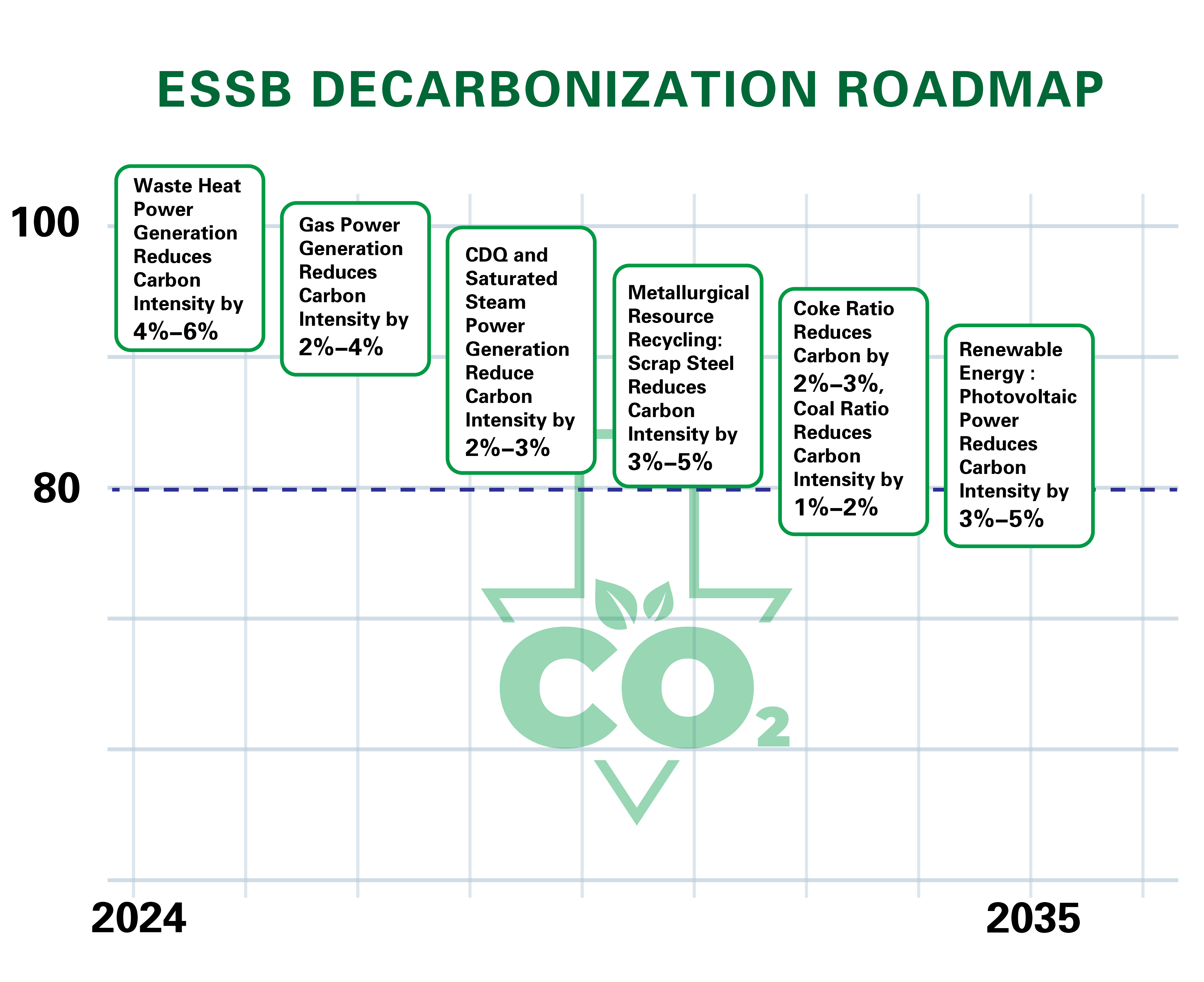
Optimal Energy Efficiency:Reduce energy consumption and improve recovery of waste heat and pressure through equipment upgrade and process optimization.
Improve Product Yield and Material Utilization Efficiency:Improve product yield and material utilization efficiency.
Circular Economy and Resource Utilization:Strengthen scrap steel and solid waste recycling to improve resource utilization.
Enhance Supply Chain Transparency:Promote low-carbon procurement and carbon data sharing with suppliers.
Expand Renewable Energy Applications:Increase the use of renewable energy, including develop solar power and renewable energy procurement.
Achieve Operational Net-Zero:Achieve net-zero emissions for Scope 1 and Scope 2 through lifecycle carbon management.
Green Process Structure:Promote green electricity, green hydrogen, and low-carbon technologies to optimize the energy structure.
Become a Regional Benchmark:Lead low-carbon steel innovation and develop high-performance steel products.
Explore Low-Carbon Frontier Technologies:Explore and pilot hydrogen-based steelmaking and carbon capture, utilization, and storage(CCUS) low-carbon technologies.
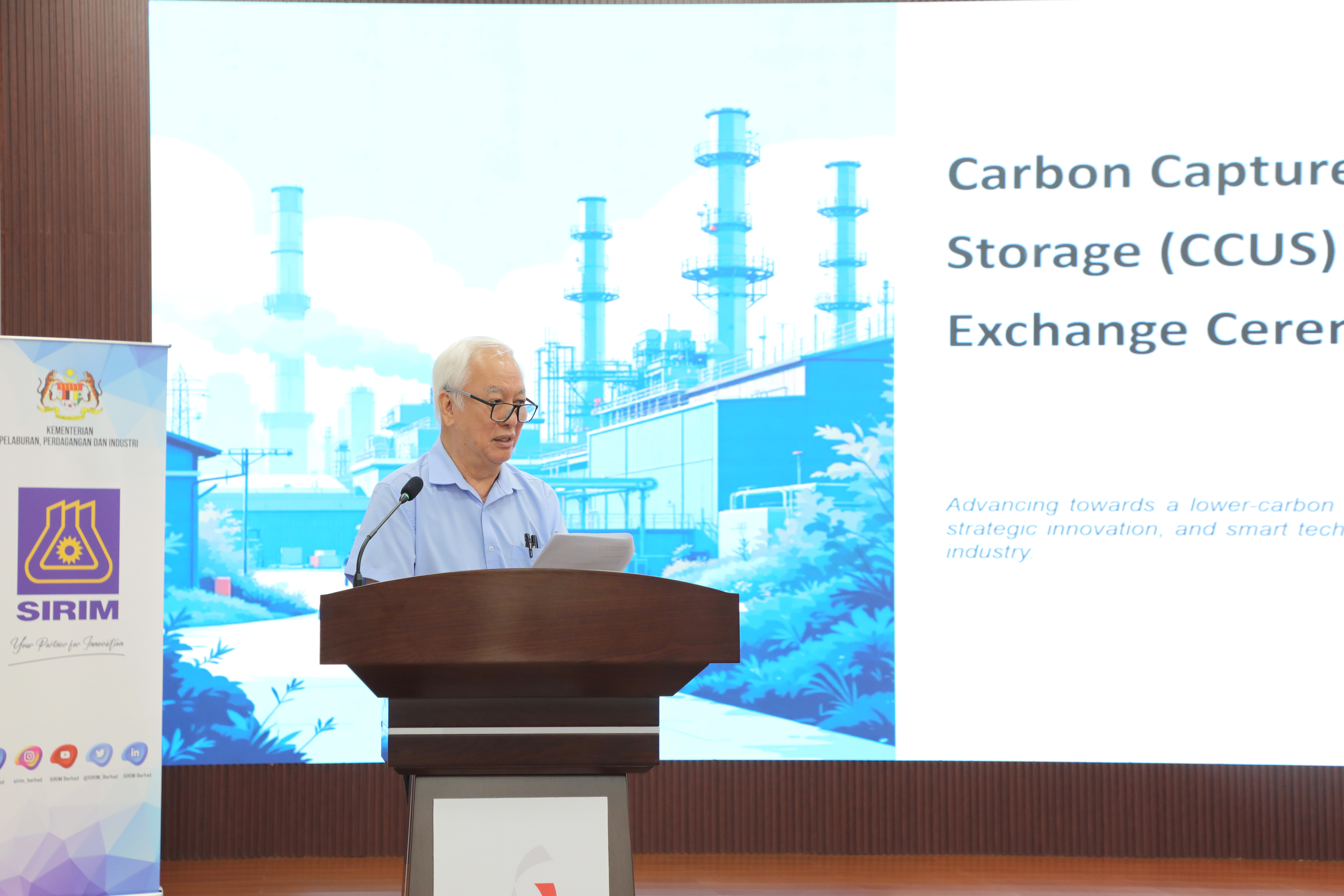
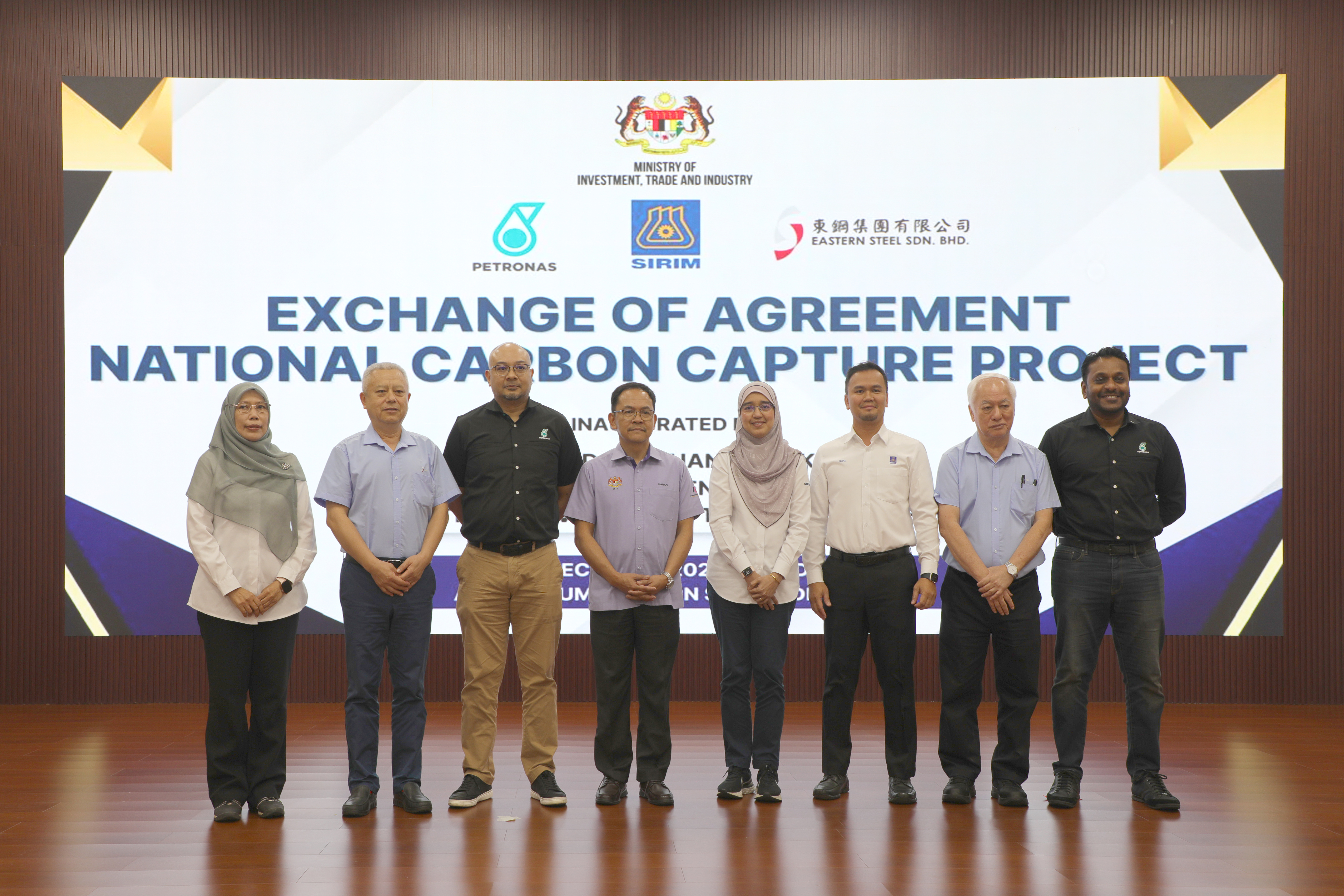
In order to address the EU Carbon Border Adjustment Mechanism (CBAM) and the global transition towards a low-carbon economy, Eastern Steel has taken the lead in conducting CBAM carbon emissions accounting based on EU technical standards. This ensures the compliance and continuity of our EU export business, effectively enhancing our competitiveness in the international market. At the same time, we also launch feasibility study for the Carbon Capture, Utilisation and Storage (CCUS) initiative in 2025, expected to be completed by 2027, with construction scheduled to begin in 2028 and the CCUS facility is expected to become operational in 2029. To accelerate the adoption of low-carbon technologies, Eastern Steel has signed a Memorandum of Understanding (MoU) on carbon capture collaboration with the Ministry of Investment, Trade and Industry (MITI), the Standards and Industrial Research Institute of Malaysia (SIRIM), and Petroliam Nasional Berhad (PETRONAS) on 16 December 2025.
Going forward, we will continue to deepen green innovation, strengthen international compliance capabilities, and steadily bring our green products to the world.